Day Old Chick Transport

Day Old Chick Transport

The transport of day old chicks from hatchery to farm has a critical role to play in subsequent performance. Hatcheries operate in a fully controlled indoor environment, while transport entails the risk of exposing the chicks to uncontrolled, outdoor conditions.

If the chicks are not protected from unpredictable changes to their climate, varying road conditions, traffic jams and other delays, their performance is directly impaired.The modern hatchery is a major investment in state-of-the-art science, technology and engineering. It therefore makes sense to create a professional, modern chick transport fleet, specifically designed to maintain an optimised environment, to ensure that the birds arrive at the farm in the same condition in which they left the hatchery.

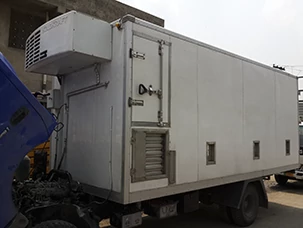
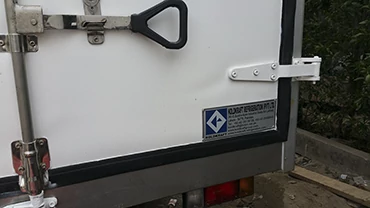
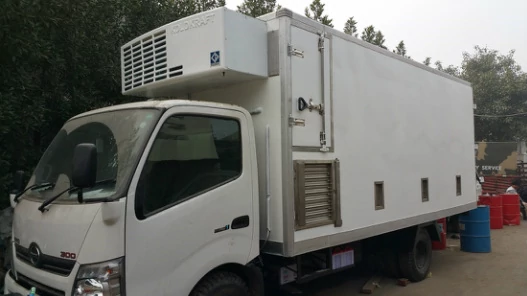
Koldkraft Refrigeration has developed a reliable transport environment, created to preserve the full genetic potential of the birds all the way to the farm.

Importance of Care in Transit

Day old chicks are naturally well equipped for transport. Born with a residual yolk, they are comfortable without feed and water for up to two days – providing that temperature inside the chick boxes is kept within their thermoneutral zone. Within this narrow temperature range of 32 – 35 °C, the chick’s metabolism is just at maintenance level with minimal heat production and water loss.

If the temperature inside the chick boxes rises above this range, the chicks will start to use energy from the yolk sac at a much faster rate,to facilitate panting behaviour in an attempt to maintain an optimal body temperature of 39,5 – 40 °C. Proteins used for this purpose are then no longer available for the development of the immune and digestive systems. Panting produces increased water loss, with the risk of dehydration.

When the temperature at chick level is below the thermoneutral zone, the day old chicks are forced to use their own resources for thermoregulation, rather than for growth and health. In general terms, temperature stress causes discomfort while also suppressing productive efficiency.

Transport conditions are still too often neglected, when in fact they have the potential to significantly affect growth rate, feed conversion, meat yield and the development of the immune system. Optimizing these conditions is highly beneficial for subsequent performance on the farm.
Features

Koldkraft Refrigeration equipment is proven under extreme climate and road conditions. Inside the transport system, a specially designed airflow system distributes air evenly over the rows of chick boxes. Heat, water vapour and CO2 are removed through air outlets and a recirculation duct. The body temperature of the chick remains between 39,5 – 40˚C.

HVAC System

The climate units have a high capacity,handling ambient climate conditions from 0 to + 50° C.

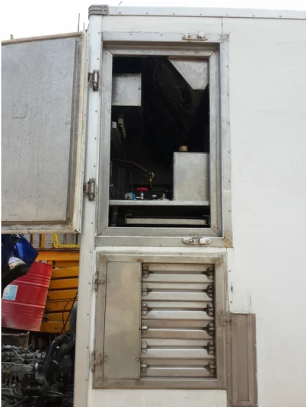
Easy access to HVAC system for maintenance. The system is designed for Low maintenance operation.

Hygienic Internal compartment

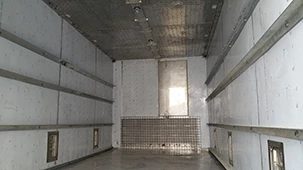
All stainless steel internal compartment construction. This makes it easy to clean and disinfect. Floors and surfaces have a smooth finish which is designed to resist the ingress of moisture and bacteria, preventing the creation of dirt traps.

Uniform Chick Quality

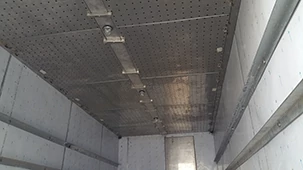
Air flows evenly from ducts located at the top.

Powerful homogenised air flows through the boxes to keep the chicks at uniform temperature

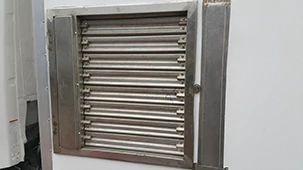
Motorized Dampers for Fresh Air

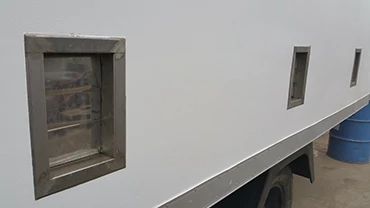
Motorized dampers for fresh air supply are located on both sides of the vehicle.

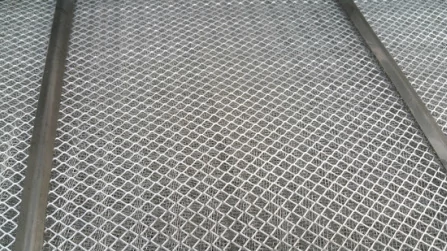
Fresh air is filtered with built in air filters.

Control of the dampers located on control panel in drivers cabin.

Control Panel

In-cabin display provides constant information about the climate inside the truck.

Complete control of heating, cooling, humidity and fresh air supply in drivers cabin.

Air Filtration System

Dual air filters to clean fresh air supply as well as re-circulating air

One Way Exhaust

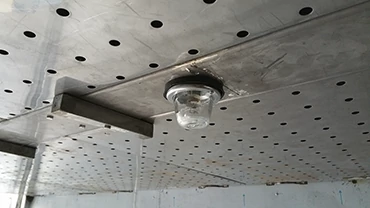
Internal Lights

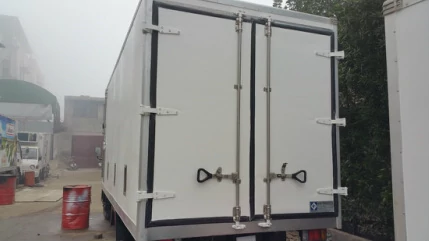
Stainless Steel Hardware of Doors